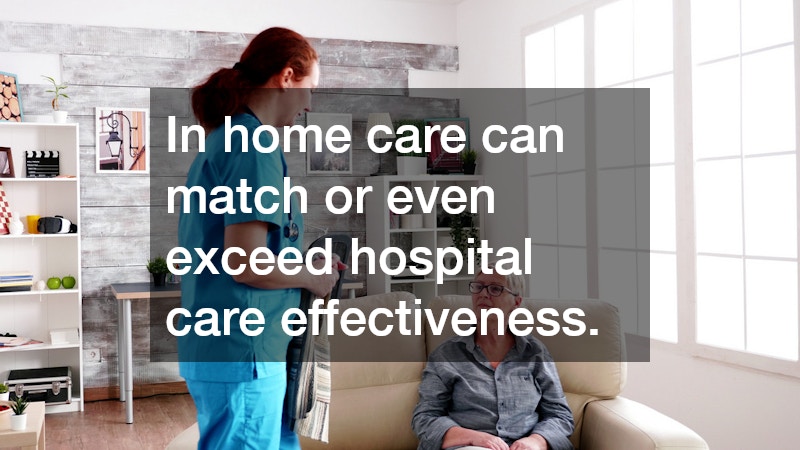
In home health care represents a growing movement toward patient-centric solutions that meet the unique needs of individuals while allowing them to receive care in the comforting environment of their own homes. This approach is critical in today’s healthcare landscape, where personalized care, cost-effectiveness, and reduced risk of infections are paramount.
This article explores the services offered and evaluates its potential as a substitute for traditional hospital care. As the demand for more flexible and convenient healthcare solutions increases, in home health care is set to play an even larger role in the future of medicine.
What are the benefits of in-home health care?
Personalized Care Plans
In home health care allows for customized care plans tailored to the unique needs of each patient, enhancing the quality of care significantly. This personalization often results in better health outcomes, as caregivers can adapt strategies to the patient’s specific medical conditions and lifestyle preferences. Furthermore, these plans are often created in collaboration with healthcare professionals, ensuring a comprehensive approach. This collaborative effort empowers patients and their families to take an active role in the healing process.
Cost-Effectiveness
Economically, in home health care offers a viable alternative to expensive hospital stays. Many families find that the cost-effectiveness of in home care allows for better allocation of resources towards other necessary medical interventions or support services. Moreover, insurance companies increasingly recognize the financial benefits, often covering services that help reduce overall healthcare expenditures. This shift not only benefits patients but also alleviates the financial burden on healthcare systems. Additionally, patients often experience improved outcomes and greater satisfaction when receiving care in the familiar and comfortable surroundings of their own homes.
Companionship and Emotional Support
A significant advantage of in home health care is the companionship provided by caregivers, which plays a crucial role in improving patients’ mental well-being. Emotional support is particularly beneficial for elderly patients or those recovering from major surgeries. Caregivers can form meaningful relationships with patients, enhancing their quality of life beyond medical care. This holistic approach addresses both the physical and emotional aspects of healing.
Can in home health care be a substitute for hospital care?
Comparing Levels of Care
When assessing in home health care as a substitute for hospital care, it’s essential to compare the levels of care and capabilities each offers. Hospitals provide round-the-clock access to specialized equipment and immediate medical intervention in emergencies. In certain scenarios, in-home care can match or even exceed hospital care effectiveness, particularly for long-term chronic conditions. The choice between in home and hospital care should consider the patient’s medical needs, support systems, and personal preferences.
Scenarios for Substitution
There are specific scenarios where in home health care can effectively substitute hospital care, particularly when immediate, intensive treatments aren’t required. For chronic disease management, post-operative care, or palliative support, home settings provide advantages in promoting serenity and comfort. Moreover, with advancements in telemedicine, many consultations and follow-ups can now be conducted remotely, supplementing the care provided at home. Evaluating when in home care is appropriate involves multidisciplinary discussions between healthcare teams, patients, and families.
Collaboration with Medical Professionals
The success of in home health care hinges on effective collaboration between caregivers and medical professionals. Caregivers can provide valuable feedback to medical staff about the patient’s condition, enabling timely adjustments to treatment plans. Routine communication and well-coordinated efforts make sure that in home care remains aligned with larger medical objectives. This collaboration often results in improved patient outcomes, as it fosters a supportive healthcare ecosystem centered on the patient’s well-being.
In home health care truly embodies the future of healing, offering a harmonious blend of personalized, adaptable, and cost-efficient health solutions that can improve patient outcomes. As this form of care continues to evolve with advancements in technology and practice, it’s evident that its role will grow within the broader healthcare ecosystem. Yet, it also necessitates ongoing assessment and dialogue between patients, families, and healthcare professionals to maximize its potential benefits. With careful consideration of each patient’s unique needs, in home health care stands as a powerful tool in fostering recovery and enhancing quality of life. As the population ages and the demand for at home services increases, the healthcare industry will likely prioritize the integration of in home care into regular medical practice, underscoring its importance in long-term health strategies.